News Release: 1/7/2026
Regular maintenance of your air conditioner's filters, coils, fins, and refrigerant lines is crucial for optimal performance. Neglecting maintenance leads to a decline in performance and increased energy use. Follow these tips to keep your air conditioner running smoothly and efficiently.
Replacing or cleaning your air conditioner filters regularly is crucial. Dirty, clogged filters reduce airflow and system efficiency. When airflow is obstructed, dirt can bypass the filter and accumulate on the evaporator coil, reducing its heat-absorbing capacity. Replacing a dirty filter with a clean one helps your air conditioner operate efficiently, removes particulates from the air, and protects your system from dirt buildup, which can cause it to fail prematurely.
Air Conditioner Filters

Replacing or cleaning your air conditioner filters regularly is crucial. Dirty, clogged filters reduce airflow and system efficiency. When airflow is obstructed, dirt can bypass the filter and accumulate on the evaporator coil, reducing its heat-absorbing capacity. Replacing a dirty filter with a clean one helps your air conditioner operate efficiently, removes particulates from the air, and protects your system from dirt buildup, which can cause it to fail prematurely.
Filter Locations
- Central Air Conditioners
- Located along the return duct at the indoor air handler.
- Found behind the return grille(s) within the living space.
- Room Air Conditioners:
- Usually in the grill that faces the room.
Types and Maintenance
Filters can be reusable or disposable, and they vary in type and efficiency. Follow the manufacturer's or your HVAC contractor's guidance for cleaning and/or replacing your HVAC filter(s). If you are unsure, clean or replace your filters every month or two during the cooling season. If your air conditioner is in constant use, exposed to dusty conditions, or if you have pets, you may need to check and replace filters more frequently.
Indoor Evaporator Coil
Even with a clean filter, the evaporator coil can still collect dirt over time. Regular maintenance from a qualified HVAC contractor should include inspecting the coil and cleaning it as necessary to maintain proper airflow and heat absorption.
Outdoor Condenser Coil
Outdoor condenser coils can become very dirty, especially in dusty environments or if there is foliage nearby. Keep the area around the condenser unit clean, remove debris, and trim foliage back at least two feet to ensure adequate airflow.
Coil Fins
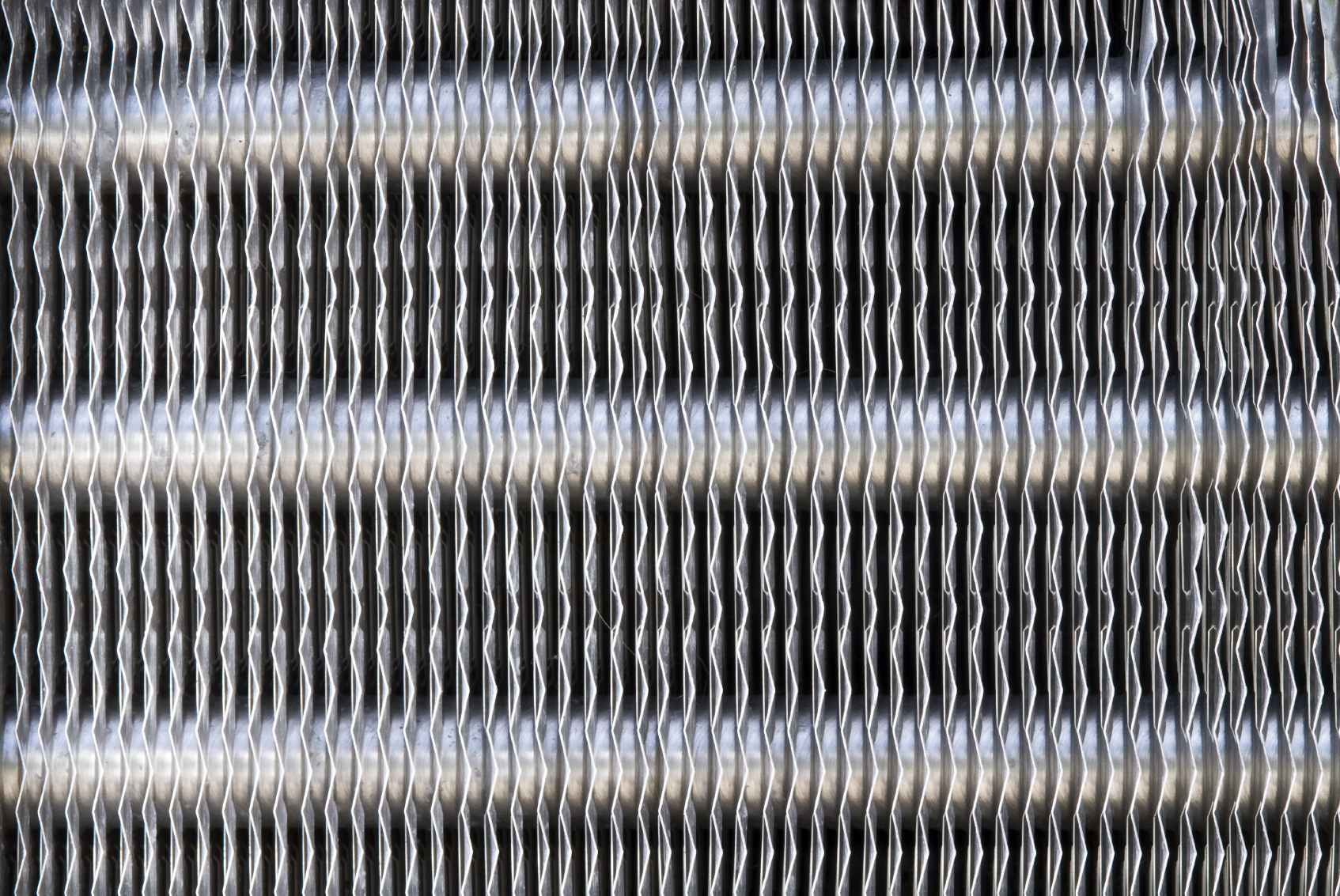
Coil fins are thin aluminum pieces attached to the evaporator and condenser coils in your air conditioner. These fins help with heat transfer, allowing your system to cool or heat your home efficiently.
The aluminum fins can bend and block airflow, reducing the efficiency of your system. To maintain proper airflow and system efficiency, a qualified HVAC contractor can use a "fin comb" to straighten the bent fins.
Regular maintenance of coil fins ensures your air conditioner operates at peak performance, keeping your home comfortable and energy bills lower.
Condensate Drains
Clear the unit's drain channels periodically with a stiff wire to prevent clogs. Clogged drains can reduce the unit's ability to remove condensed water from the system, causing the equipment to turn off until the drain has been cleared, or water damage to occur where the blocked drain overflows.
Window Seals for Room Air Conditioners
Inspect the seal between the air conditioner and the window frame at the start of each cooling season. Ensure the seal is intact to prevent cool air from escaping your house.
Preparing for Winter
In the winter, cover or remove and store your room air conditioner. Cover the outdoor unit of a central air conditioner to protect it from winter weather and debris. If your system is a heat pump, do not cover the outdoor condensing unit as these covers will prevent the system from properly heating the home in the winter. If you are unsure, check with a qualified HVAC contractor about how to best protect your outdoor system during winter months.
Hiring a Professional
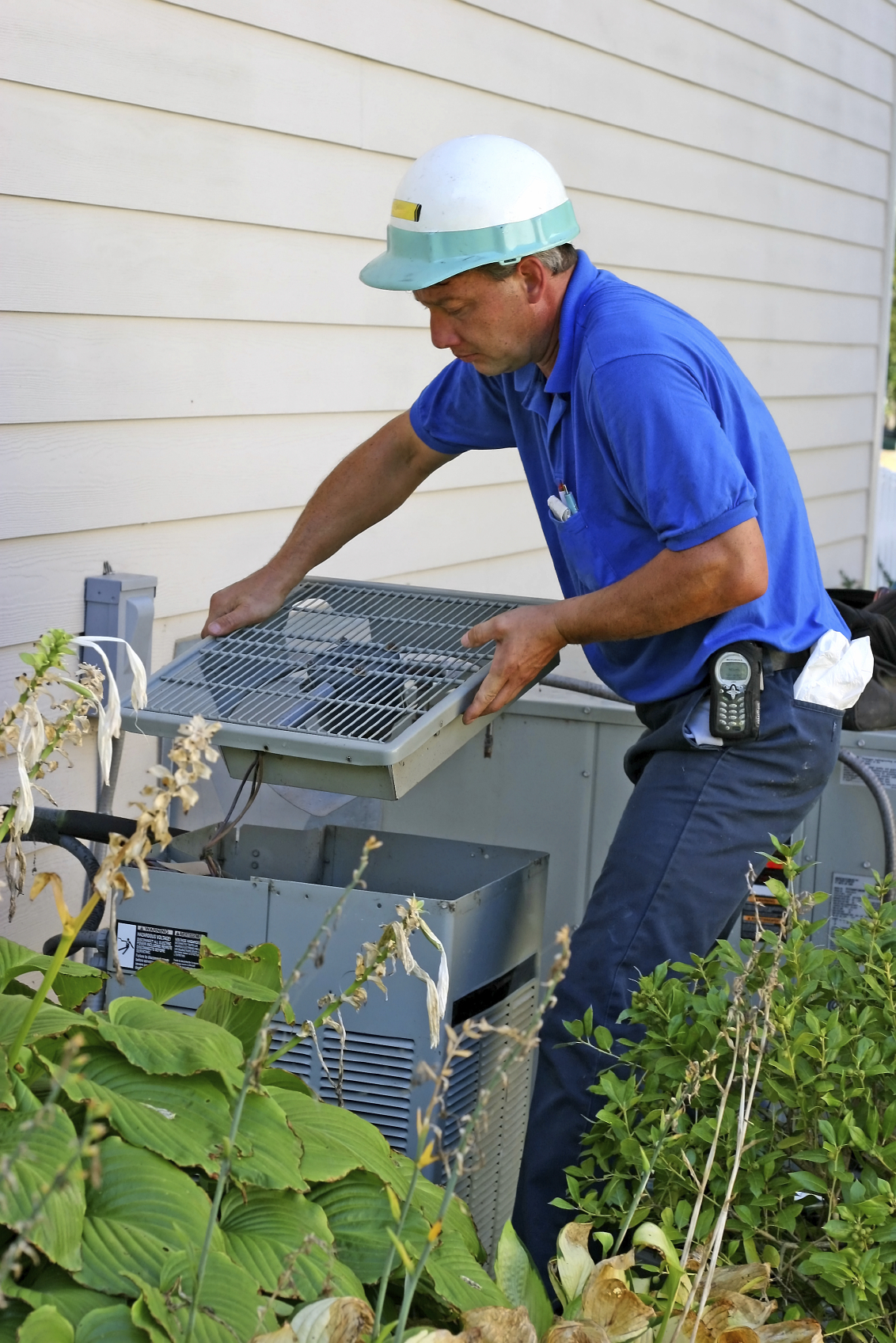
If your air conditioner needs more than regular maintenance, such as if it fails to cool your home adequately, hire a professional technician. A well-trained technician can diagnose and fix issues with your air conditioning system. Here's what they should do:
- Check the refrigerant charge and test for leaks.
- Capture any evacuated refrigerant to prevent illegal release.
- Check and air seal duct leakage in central systems.
- Measure airflow across the evaporator coil.
- Verify the electric control sequence to ensure the heating and cooling systems do not operate simultaneously.
- Inspect electric terminals, clean and tighten connections, and apply a non-conductive coating if necessary.
- Oil motors and check belts for tightness and wear.
- Check the thermostat's accuracy.
Mid-State Mechanical
-
Jim Kendall Sales
- January 07, 2026
- (772) 584-4834
- Send Email
